
152·
14 hours agoImagine letting your computer decide how you’re gonna use it 😖
Imagine letting your computer decide how you’re gonna use it 😖

Duh, it’s called strong language for a reason.
I haven’t timed it, but easily below a second.
Could that be optimised? Most certainly.
Due to the ranges being in a set, rather than a list, the input order doesn’t matter anyway. And the set really does a lot of heavy lifting for making the code so concise. You’ll need a bunch of boilerplate for list maintenance, especially of you continuously keep it sorted.
The set also removed 8 duplicates I had in the input.
Managed to keep it compact, but boy, do I hate cephalopod math >_<
from csv import reader
from functools import reduce
from itertools import pairwise
from operator import mul
from pathlib import Path
from typing import Any, List, Sequence


def _calc(values: List[str]) -> int:
    match values[-1]:
        case "+":
            return sum(map(int, values[:-1]))
        case "*":
            return reduce(mul, map(int, values[:-1]))
        case _:
            return 0


def _transpose(values: Sequence[Sequence[Any]]) -> List[List[Any]]:
    return [[values[row][col] for row in range(len(values))] for col in range(len(values[0]))]


def part_one(input: str) -> int:
    def _parse_input(input: str) -> List[List[str]]:
        return _transpose(list(map(lambda r: list(filter(None, r)), reader(input.splitlines(), delimiter=" "))))

    return sum(map(_calc, _parse_input(input)))


def part_two(input: str) -> int:
    def _parse_input(input: str) -> List[List[str]]:
        data = list(input.splitlines())
        columns = [t[0] for t in filter(lambda t: t[1] != " ", enumerate(data[-1]))] + [len(data[0])]
        numbers = [[line[a:b] for line in data[:-1]] for a, b in pairwise(columns)]
        numbers = [list(filter(None, ["".join(num).strip() for num in column])) for column in map(_transpose, numbers)]
        return list(map(lambda t: t[0] + [t[1]], zip(numbers, list(filter(None, data[-1].split(" "))))))

    return sum(map(_calc, _parse_input(input)))


if __name__ == "__main__":
    input = Path("_2025/_6/input").read_text("utf-8")
    print(part_one(input))
    print(part_two(input))
Again part 2 took me way longer than I would’ve liked and also than feels appropriate for the simplicity of the solution I finally came up with.
Turned out quite fast, thanks to the ranges.
from pathlib import Path
from typing import List
from itertools import combinations

def parse_input(input: str) -> tuple[set[range], list[int]]:
    parts = input.split("\n\n")
    fresh = set((lambda r: range(int(r[0]), int(r[1]) + 1))(line.split("-")) for line in parts[0].splitlines())
    return (fresh, list(map(int, parts[1].splitlines())))


def merge_ranges(a: range, b: range) -> List[range]:
    if a.stop <= b.start or b.stop <= a.start:
        return [a, b]
    return [range(min(a.start, b.start), max(a.stop, b.stop))]


def part_one(input: str) -> int:
    fresh, available = parse_input(input)
    return len(list(filter(None, [any(i in r for r in fresh) for i in available])))


def part_two(input: str) -> int:
    fresh, _ = parse_input(input)
    while True:
        for a, b in combinations(fresh, 2):
            if len(m := merge_ranges(a, b)) == 1:
                fresh.remove(a)
                fresh.remove(b)
                fresh.add(m[0])
                break
        else:
            break
    return sum(map(len, fresh))


if __name__ == "__main__":
    input = Path("_2025/_5/input").read_text("utf-8")
    print(part_one(input))
    print(part_two(input))

I learned to braid my hair.

Welchen Teil von “Nikotin in jeglicher Form” hast du nicht verstanden?

Yes, the hero names victims association will change the balance of power 🤣

Sarcasm doesn’t transport well in written form 🤷
Esst lieber die reichen Kinder, die sind nicht so zäh.
You’re saying the problem doesn’t exist? 😉
What’s that, coming over the hill?

Yes, but he did it while being black, you see. That evens it out. /s
But you’re not the first one to make that up, at least.

But isn’t it automatically once youth flip it?

You could’ve made it -halF
Couldn’t find anything useful on what that might be.
















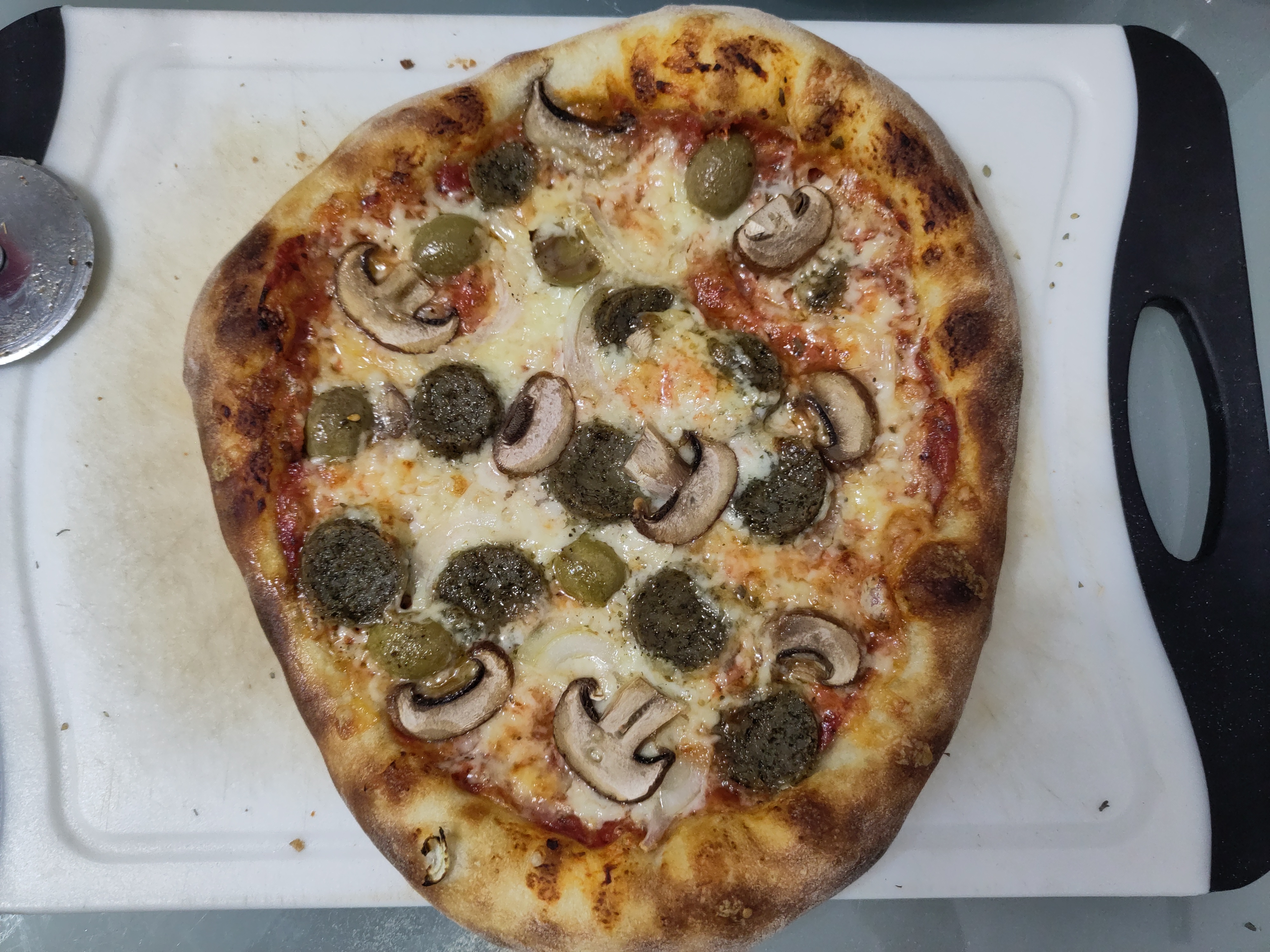
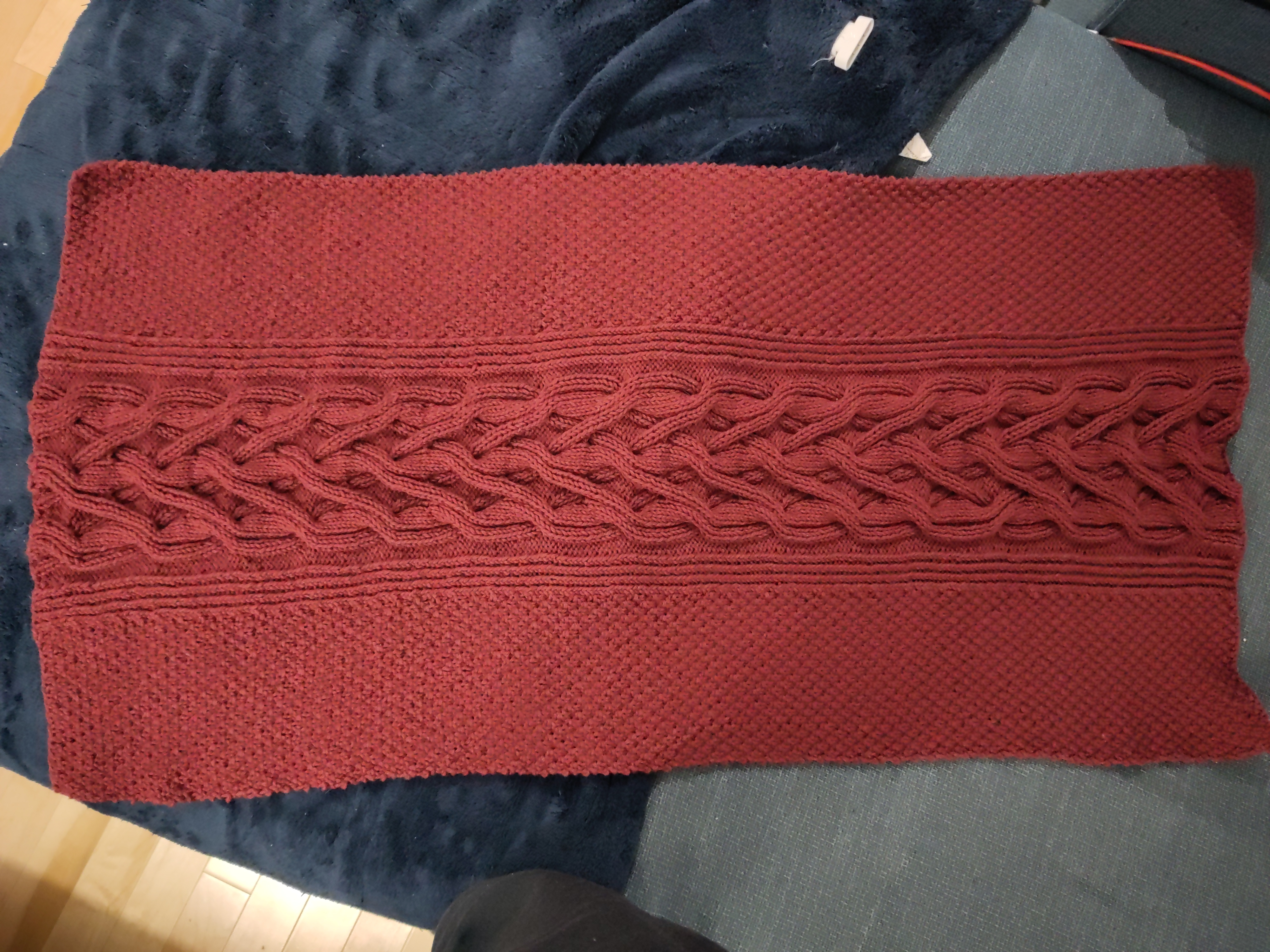
Magic wormhole.